Charting Tier Progression Pathways in App-Linked Table Incentives Across Digital Currency Platforms
Katja Hughes · Oct 26, 2026
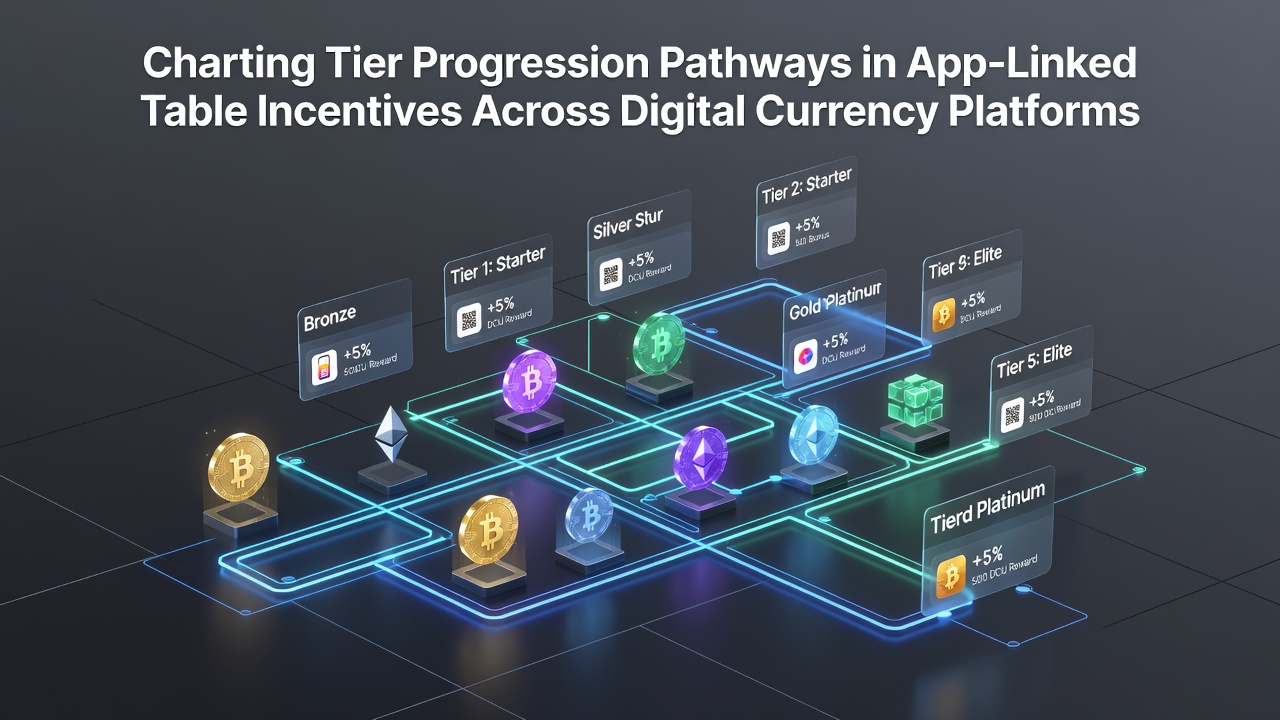
Charting Tier Progression Pathways in App-Linked Table Incentives Across Digital Currency Platforms
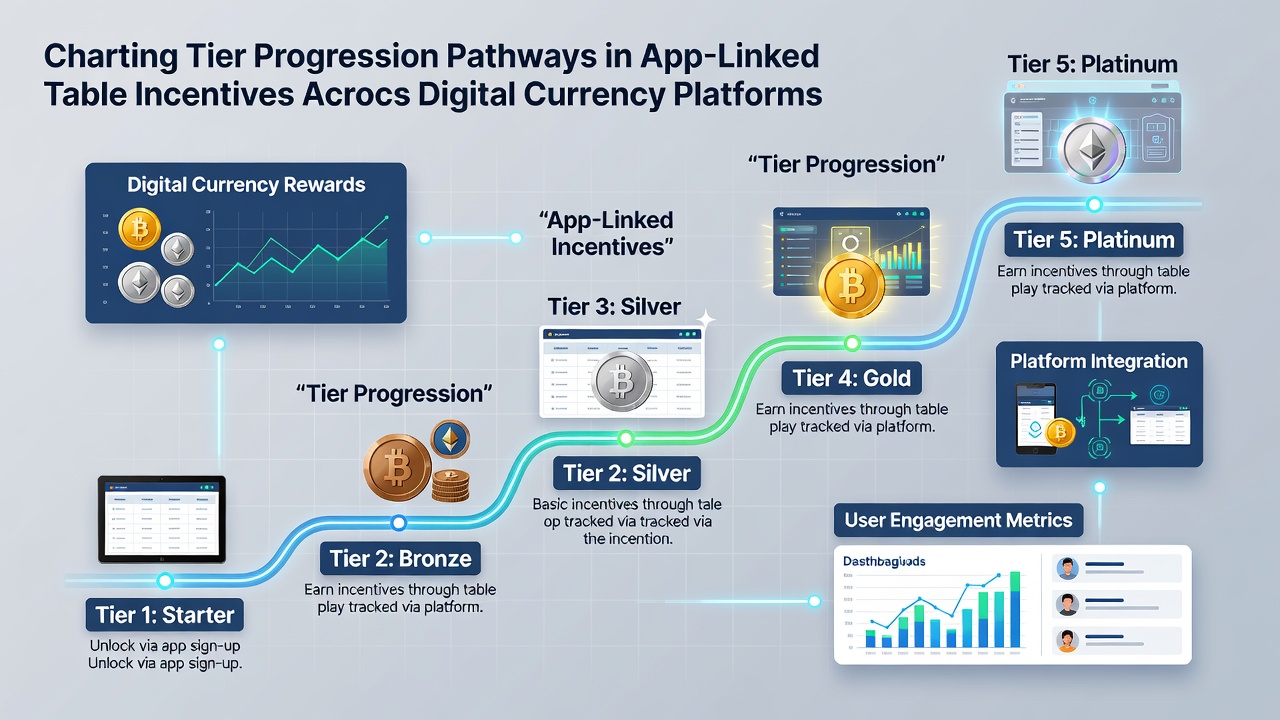
Digital currency platforms have developed structured tier systems that connect mobile applications directly to table game incentives, allowing users to advance through levels based on verified activity in games such as blackjack, roulette, and poker variants. These pathways operate through blockchain records that track participation metrics, with each tier unlocking adjusted incentive structures tied to digital currency balances and session data.
Core Mechanics of Tier Structures
Platforms define tiers through cumulative play volume measured in digital currency units, where entry-level access begins at basic verification stages and extends upward as transaction histories accumulate across app sessions. Data from industry reports indicates that progression often requires meeting thresholds in both frequency and total value of table game engagements, with automated systems adjusting eligibility in real time through app notifications and wallet integrations.
Researchers at institutions focused on gaming technology have documented how these systems prioritize transparent ledger entries, enabling users to review their current standing without intermediary delays. In October 2026 platform updates across multiple providers demonstrated expanded criteria that incorporate cross-game multipliers, allowing table incentive accumulation to influence overall tier status more directly than isolated slot or virtual activity.
App Integration and Verification Layers
Mobile applications serve as the primary interface for linking table incentives to tier advancement, incorporating secure API connections that pull live data from blockchain networks while maintaining compliance with regional digital asset regulations. Observers note that these apps typically embed progress dashboards showing remaining requirements for the next tier, along with historical logs of incentive redemptions converted to digital currency formats.
According to figures released by the New Jersey Division of Gaming Enforcement, integration standards emphasize multi-factor authentication and device-specific tracking to prevent duplicate accounts from inflating progression metrics. This approach supports consistent pathway mapping where users advance through tiers by sustaining verified table sessions rather than one-time deposits alone.
Regional Variations in Pathway Design
European platforms often emphasize shorter progression intervals between tiers compared to North American counterparts, with data indicating average advancement timelines of four to six weeks for active users engaging in app-linked table games. In contrast, systems operating under Australian regulatory frameworks incorporate additional responsible gaming checkpoints that pause tier benefits until periodic reviews confirm sustained activity patterns.
Canadian provincial operators have introduced hybrid models that blend provincial licensing requirements with blockchain verification, resulting in tier pathways that reward consistent mobile engagement while capping maximum incentive values per level. Industry analyses from the Canadian Gaming Association reveal that these adjustments have aligned user retention rates more closely with documented table game participation volumes during late 2026 monitoring periods.
Incentive Adjustments Across Tiers
Each tier level modifies the structure of table incentives available through the app, typically expanding options for live dealer sessions and altering conversion rates between accumulated points and digital currency payouts. Evidence from platform analytics shows that mid-tier users receive proportionally higher multipliers on verified wins, whereas entry tiers focus on introductory credits designed to encourage initial table game trials.
Studies conducted through academic gaming research centers demonstrate correlations between tier stability and long-term session duration, with users maintaining higher levels exhibiting steadier engagement patterns across multiple digital currency platforms. These findings align with October 2026 operational reviews that highlighted how app-based notifications reinforce progression by displaying real-time incentive forecasts tied to upcoming table sessions.
Future Mapping Considerations
Platform developers continue refining tier pathways by incorporating machine learning models that predict user advancement based on historical blockchain data and app interaction logs. Such refinements allow for dynamic adjustments to incentive tables without altering core verification protocols required by oversight bodies.
Those monitoring these developments note that cross-platform compatibility remains a key focus, enabling users to transfer tier status indicators between affiliated digital currency environments while preserving incentive eligibility records. This interoperability reduces friction in regional markets where multiple operators share overlapping user bases.
Conclusion
Tier progression pathways in app-linked table incentives reflect ongoing integration between digital currency systems and mobile gaming infrastructure. Documentation from regulatory and research sources continues to track how these mechanisms evolve in response to participation data and compliance standards across different jurisdictions.