The Synchronization of Introductory Credits with Live Interaction Protocols Across Handheld Crypto Gaming Applications
Katja Hughes · Oct 12, 2026
The Synchronization of Introductory Credits with Live Interaction Protocols Across Handheld Crypto Gaming Applications
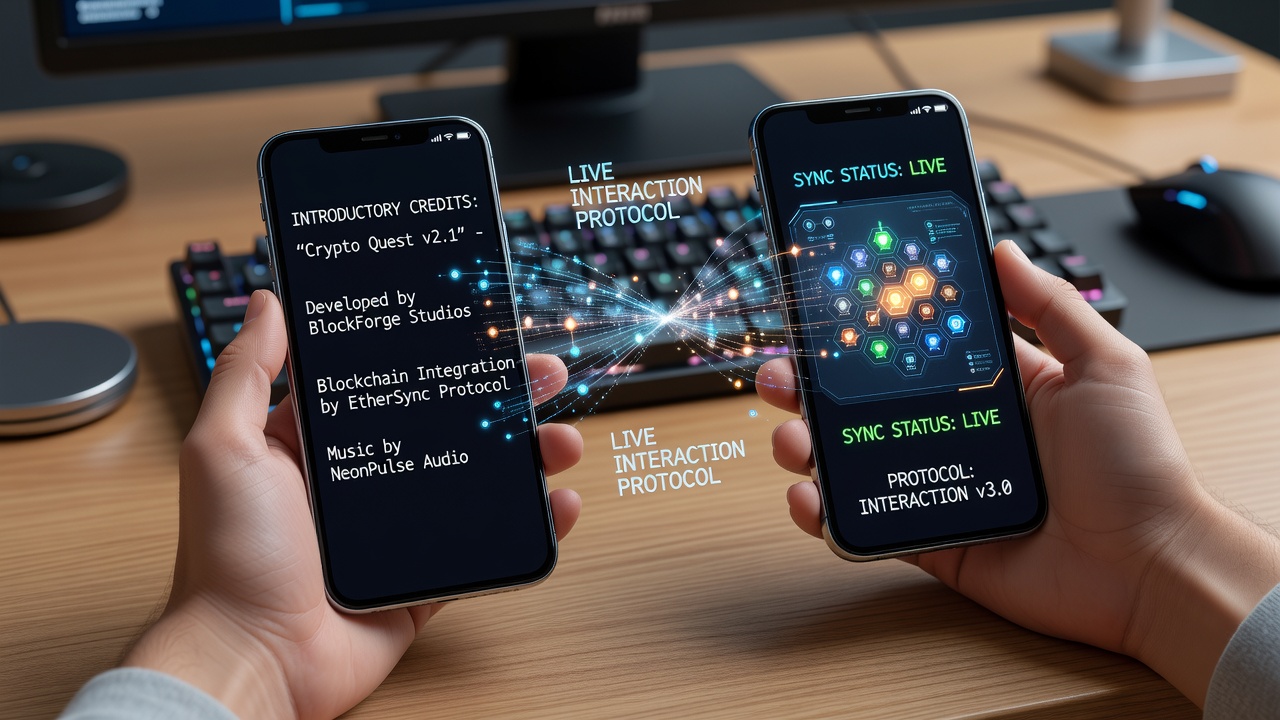
Handheld crypto gaming applications have developed intricate systems that align introductory credits with live interaction protocols so players can transition from initial account funding directly into real-time table sessions without delays or mismatches in balance verification. These systems rely on blockchain-based ledgers that update credit allocations the moment a user completes onboarding steps and then feed those values into live dealer interfaces hosted on mobile servers.
Core Components of Credit and Protocol Alignment
Introductory credits typically arrive as tokenized assets that smart contracts release upon first deposit confirmation while live interaction protocols manage the connection between a user's device and remote dealer streams. Researchers at institutions tracking digital gaming trends note that synchronization occurs through API layers which query wallet balances every few seconds and adjust available bet limits accordingly. Data from October 2026 shows increased adoption of these aligned systems across platforms operating in multiple jurisdictions because they reduce transaction friction during peak evening hours when mobile traffic spikes.
Developers implement multi-signature authentication that verifies both the credit token and the live session token before allowing entry to blackjack or roulette tables. This dual-check process prevents situations where a credit appears in an account yet remains unavailable for live play due to protocol lag. Observers tracking app performance metrics report that platforms using unified timestamping across credit ledgers and live streams achieve higher session completion rates compared to earlier segmented approaches.
Technical Mechanisms Driving Real-Time Updates
Blockchain verification layers sit at the center of these synchronized environments because they provide immutable records of credit issuance and redemption events that live protocols reference continuously. When a player activates introductory credits the system broadcasts a confirmation hash to the live dealer backend which then unlocks corresponding betting windows on the handheld interface. Studies from North American research groups indicate that latency under 800 milliseconds has become standard for these handoffs in well-optimized applications during the final quarter of 2026.
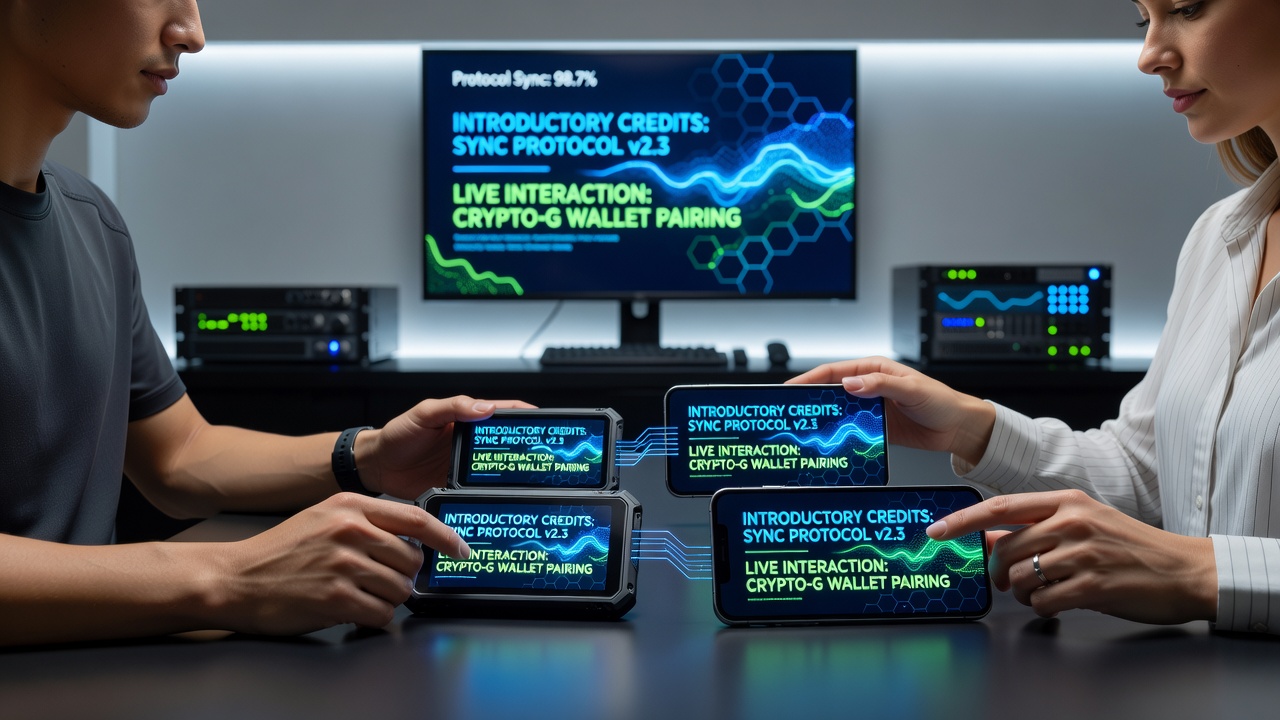
Encryption protocols wrap both credit data and live stream packets so that any interception attempt disrupts the session rather than exposing sensitive information. Canadian regulatory frameworks have examined these encryption standards in recent compliance reviews and found that synchronized systems maintain audit trails spanning credit allocation through final payout without requiring separate reconciliation steps. Application developers therefore design unified dashboards that display remaining introductory credits alongside current live table occupancy in a single view.
Regional Variations in Implementation Standards
Platforms serving European markets often integrate introductory credits with live protocols through centralized verification nodes that comply with data protection rules while Australian operators emphasize decentralized ledger checks that prioritize speed over centralized oversight. Reports compiled by the European Gaming and Betting Association highlight that October 2026 saw measurable growth in cross-border mobile sessions where synchronized credit-protocol systems handled fluctuating exchange rates between different cryptocurrencies without interrupting live play. Users in these regions experience fewer interruptions because the protocols automatically convert credit values into the denomination required by each live table.
One documented pattern involves handheld devices detecting network quality and shifting between Wi-Fi and cellular connections while preserving credit-protocol linkage through cached session tokens. This approach allows uninterrupted live dealer interactions even when signal strength varies during travel. Industry data indicates that such adaptive synchronization contributes to longer average session durations across crypto-enabled mobile applications.
Future Directions in Protocol Refinement
Engineers continue refining the handshake sequences that bind introductory credits to live interaction protocols with emphasis on reducing energy consumption during blockchain queries on battery-powered devices. Academic papers from Australian universities have modeled the computational load of these synchronized operations and proposed lightweight consensus alternatives that maintain security while extending device runtime. October 2026 testing phases revealed that several major applications adopted these lighter protocols resulting in improved compatibility across older smartphone models still common in emerging markets.
Security audits performed by independent firms confirm that properly synchronized systems limit exposure windows during credit activation and live table entry to under two seconds. Those audits also track how protocol updates propagate across global server clusters so that regional discrepancies in credit availability do not arise during live sessions. Observers note continued investment in these refinements as transaction volumes grow.
Conclusion
The synchronization of introductory credits with live interaction protocols has become a foundational element of handheld crypto gaming applications as platforms refine the technical bridges between wallet operations and real-time dealer environments. Data compiled through October 2026 demonstrates consistent progress in latency reduction, cross-regional compatibility, and audit transparency. Continued development in these areas supports broader accessibility while preserving the verification standards required by diverse regulatory environments.